40" Rows:
Broadcast:
Sandy:
Loam:
Clay:
Special Notes:
| Origin: | Native to North America | |
| Use: | Perennial, warm season, native grass that provides fair grazing for wildlife; good grazing for livestock. | |
| Image: |
|
|
| Plant Description: | ||
| General | ||
| Life Span | Perennial | |
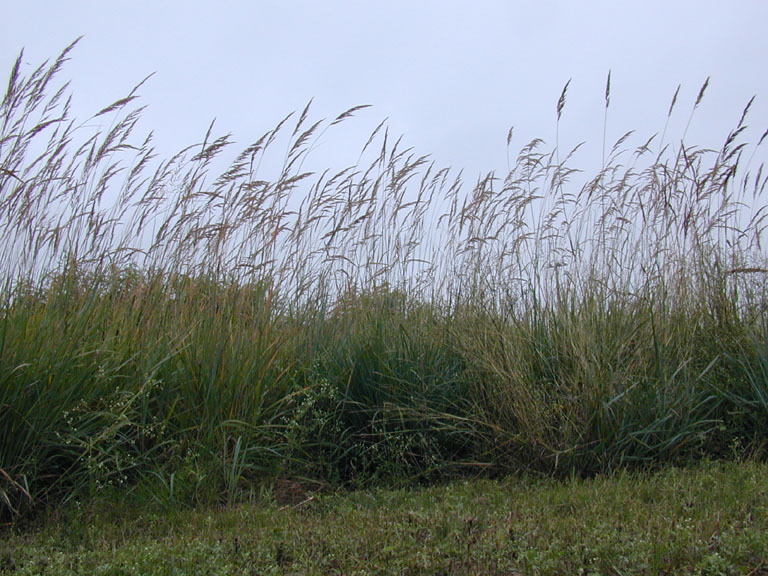
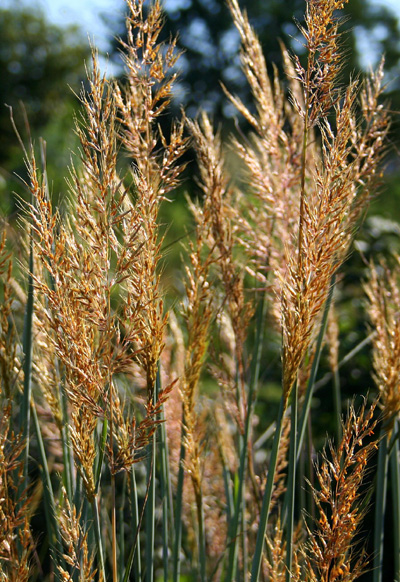
| Growth Form | tall, erect, bunchgrass | |
| Management: | ||
| Seeding Rate 40" Rows: Broadcast: |
||
| Planting Date | ||
| Planting Depth | ||
| pH requirement | ||
| Soil texture Sandy: Loam: Clay: |
||
| Cold Tolerance: | ||
| General | Provides fair grazing for wildlife; good grazing for livestock. | |
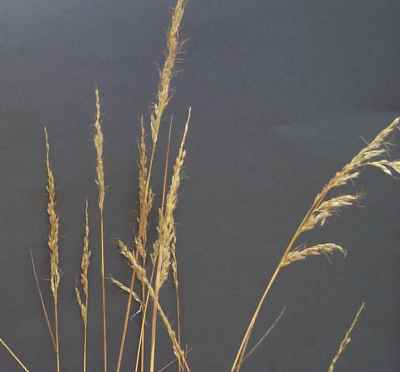
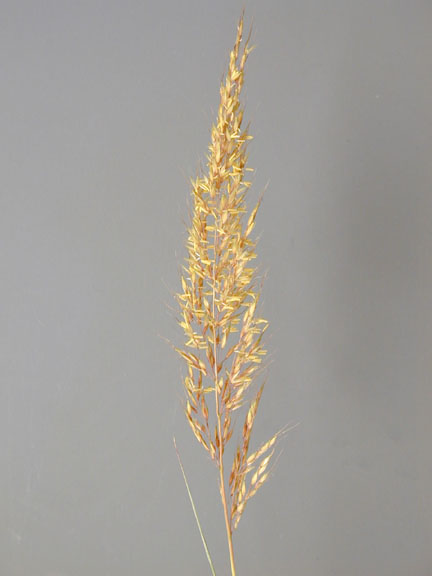
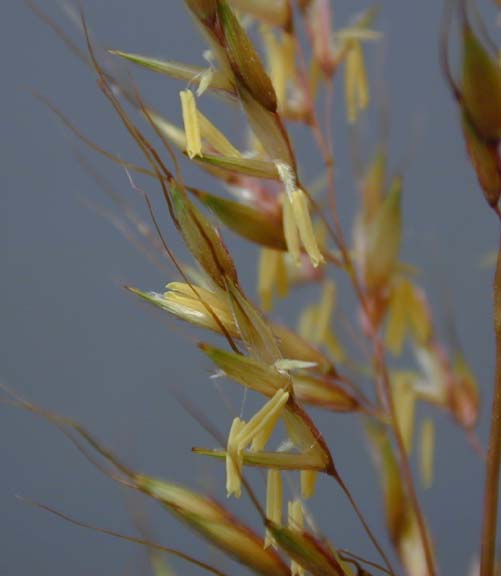
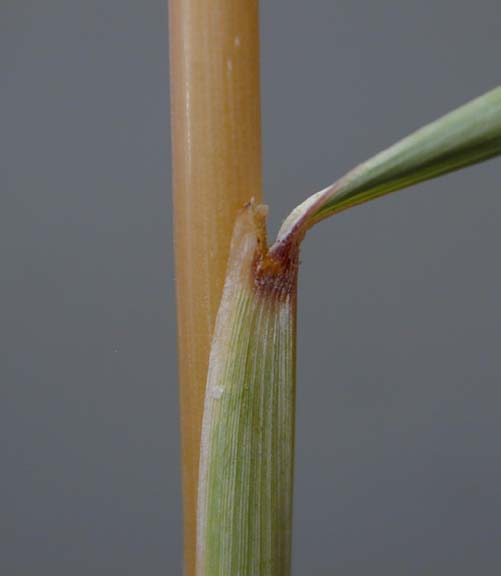
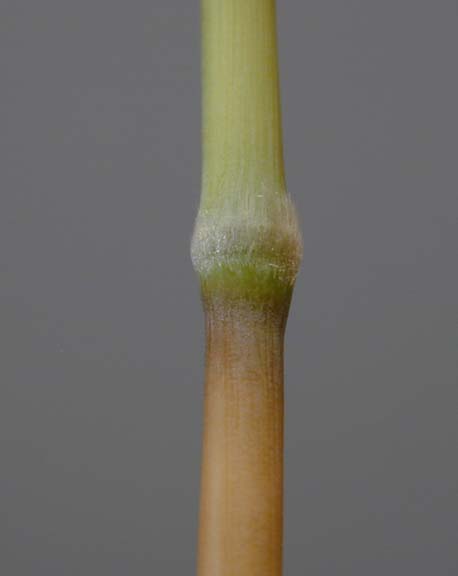
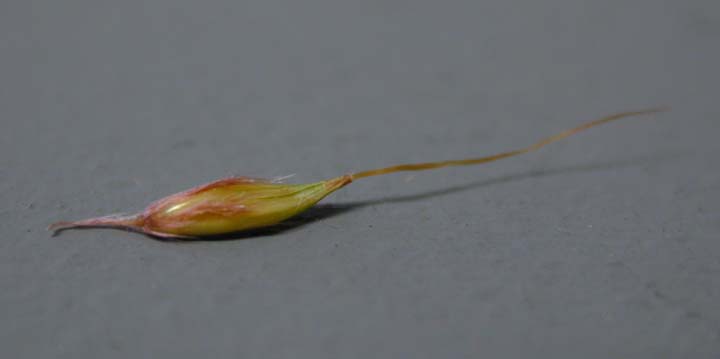
| ID Features: | Nodes are fuzzy with the ligule long and appearing as rabbit ears when dry. The panicle is 8 to 12 inches long and bronze to yellowish with ½-inch awns, bent once and closely twisted to the bend. It decreases with heavy grazing but produces high yields when managed in a pure stand. | |
Special Notes: |
Yellow Indiangrass (Sorghastrum Nutans) Information #1 | |